



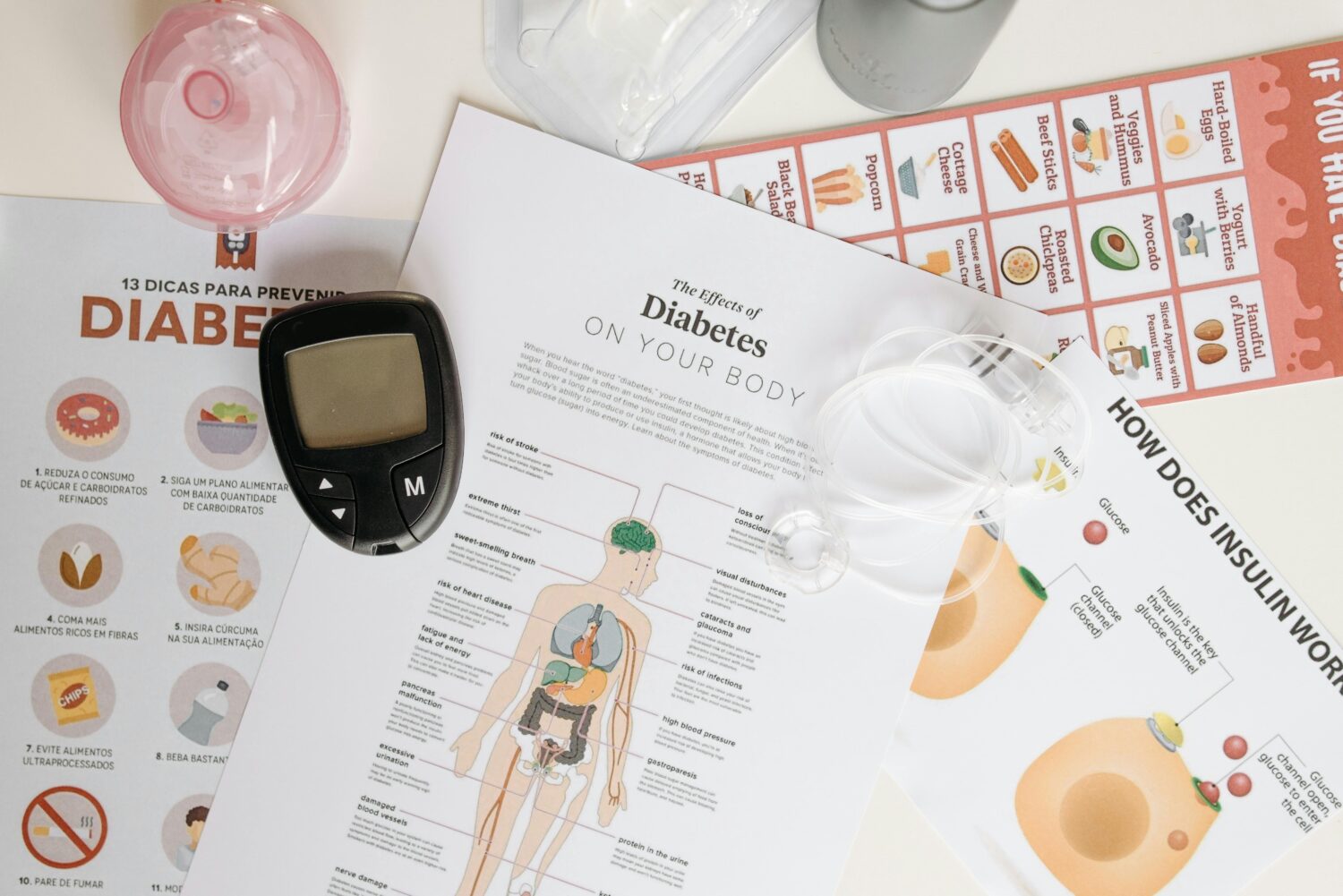

World Diabetes Day: Life with a sensor
Today, November 14th, is World Diabetes Day. 3/4th of people with diabetes chooses a sensor to monitor their blood sugar level. Stijn Vanderborght (40) is one of them. He uses Freestyle Libre 3: ‘The constant monitoring is a real advantage.’
Diabetes Liga Belgium defines diabetes as ‘a chronic condition in which your blood sugar levels are elevated’. There are a bunch of different types of diabetes, but the most common types are type one and type two. With diabetes type I, the body does not create insulin and attacks itself. Patients with this type of diabetes make up 10% of the diabetics in Belgium, according to Diabetes Liga.
90% of diabetics in Belgium have diabetes type II. With this form of diabetes, there is either an insulin resistance or a reduced insulin production. Symptoms of diabetes type II are often missed as they are less striking or outspoken.
Dit bericht op Instagram bekijken
Finger stick to sensor
The sensor for blood sugar levels was brought onto the market in 2014. Prior to the invention, diabetics used the ‘finger stick check’ where they had to prick their fingertip with a small needle to get a blood drop that they could test against the test strip of a glucose meter.
Nowadays, this all happens automatically and constantly. ‘That’s the biggest advantage. The levels in your blood are constantly measured and you always know when you have to intervene, which is obviously important for your health’, says Stijn Vanderborght, who is a type I diabetes patient.
Visible diabetic
Stijn was twelve when he got diagnosed and still remembers how deterring changing to a sensor was at the beginning: ‘Unlike a finger stick check, a sensor is visible so everybody could see it. That put me off at first.’
Some diabetics choose an insulin pump, while others stick to insulin pens. Stijn still uses insulin pens and has to inject himself at times during the day, when the sensor says his blood sugar is too high. That doesn’t bother him, though: ‘Everybody around me knows I’m a diabetic so nobody really bats an eye.’
Dit bericht op Instagram bekijken
Control over fear
The finger sticks, the sensor or even the insulin pens don’t scare him, but Stijn does worry about the life expectancy of diabetics. On average, diabetes shortens one’s life by 13 years. ‘Now that I’m forty, I’m starting to wonder: ‘What if the few times my blood sugar was too high for a couple of hours, have shortened my life by even more days or weeks?’
Besides the worrying about the life expectancy, Stijn doesn’t think diabetes obstructs his life too much: ‘It doesn’t really obstructs my life, it just controls it and that’s something I’ve gotten used to over the years.’ Checking his blood sugar or injecting insulin when needed has become some sort of a habit, he says.
Text: © Elise-Charlotte Kindts
Image: © Pavel Danilyuk (via Pexels)