



OPINION-Social media vs. journalism: Who controls the narrative?
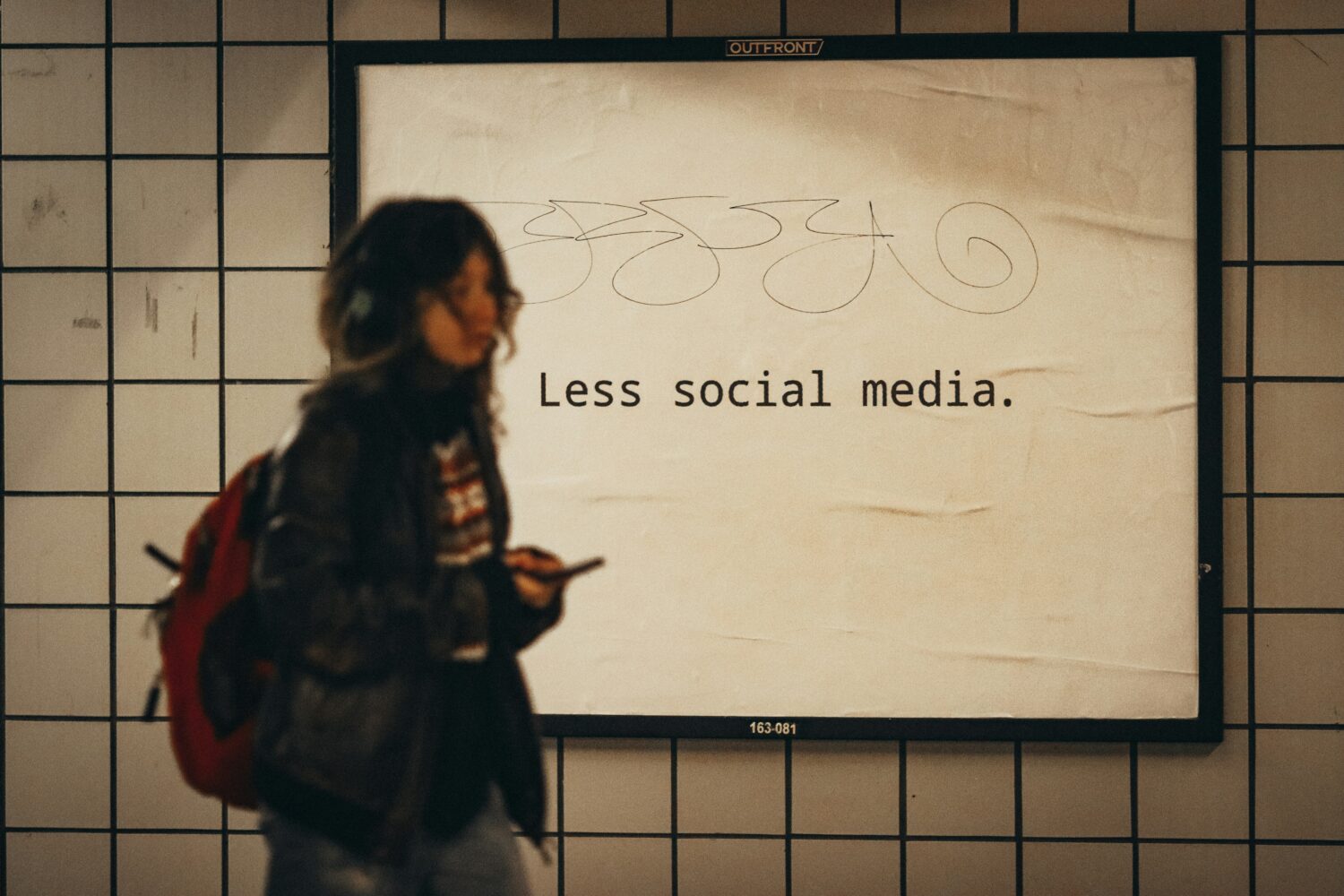
Social media has changed the way we consume news. With just a few clicks, we can get updated around the world faster than ever before. But does speed come at the cost of accuracy? While journalists follow strict fact-checking news, social media spreads information instantly-whether it’s true or not. As more people turn to platforms like Twitter, TikTok and Facebook for news, the line between professional reporting and viral content is blurring. So, who should we trust more: traditional journalism or social media?
At the moment, we are all witnessing how social media is increasingly replacing traditional journalism.But does this mean the end of professional media?
On one hand, social media has the advantage of rapid information dissemination, and everyone within these platforms has a voice and their own perspective. Now, any eyewitness can share news instantly without waiting for an official report or a newspaper publication. There are numerous examples where global events-such as protests, natural disasters, and military conflicts-were first reported through X (formerly Twitter), Telegram, and other platforms.
However, if we look at this situation from another perspective, this freedom also leads to the spread of fake news and manipulation. Social media algorithms are designed to attract attention first and foremost, often promoting sensational but unreliable news.
This brings up an important question:can we really trusts social media for news? It gives us quick updates, but unlike professional journalists, it doesn’t always check the facts. Traditional media follows strict rules to make sure the information is true, while social media lets anyone post anything, making it hard to tell what’s real and what’s not.
In Europe, this is a big deal too. Some countries, like Germany and France have strict rules to fight fake news, while others rely more on social media for quick updates. In response to the growing spread of misinformation, the EU has launched initiatives like EUvsDisinfo, which actively debunks false narratives and helps citizens recognize fake news. This means big companies like Facebook and Twitter now have to remove false news faster and be more transparent about their algorithms. But does that actually stop people from believing viral posts over real news? Not really. In the end, it’s not just about journalism or social media-it’s about how we choose to get our news and whether we care enough to check if it’s true.
Still, social media isn’t all bad. It gives people a voice and brings attention to stories that big news channels might miss. But in the end, it’s up to us to be careful with what we believe. We should always check sources and remember that fast news isn’t always true news. Instead of competing, journalism and social media should work together to give us both speed and accuracy.
Text: Kamila Dovha