



OPINION – Is Instagram really meant to inform young Europeans?
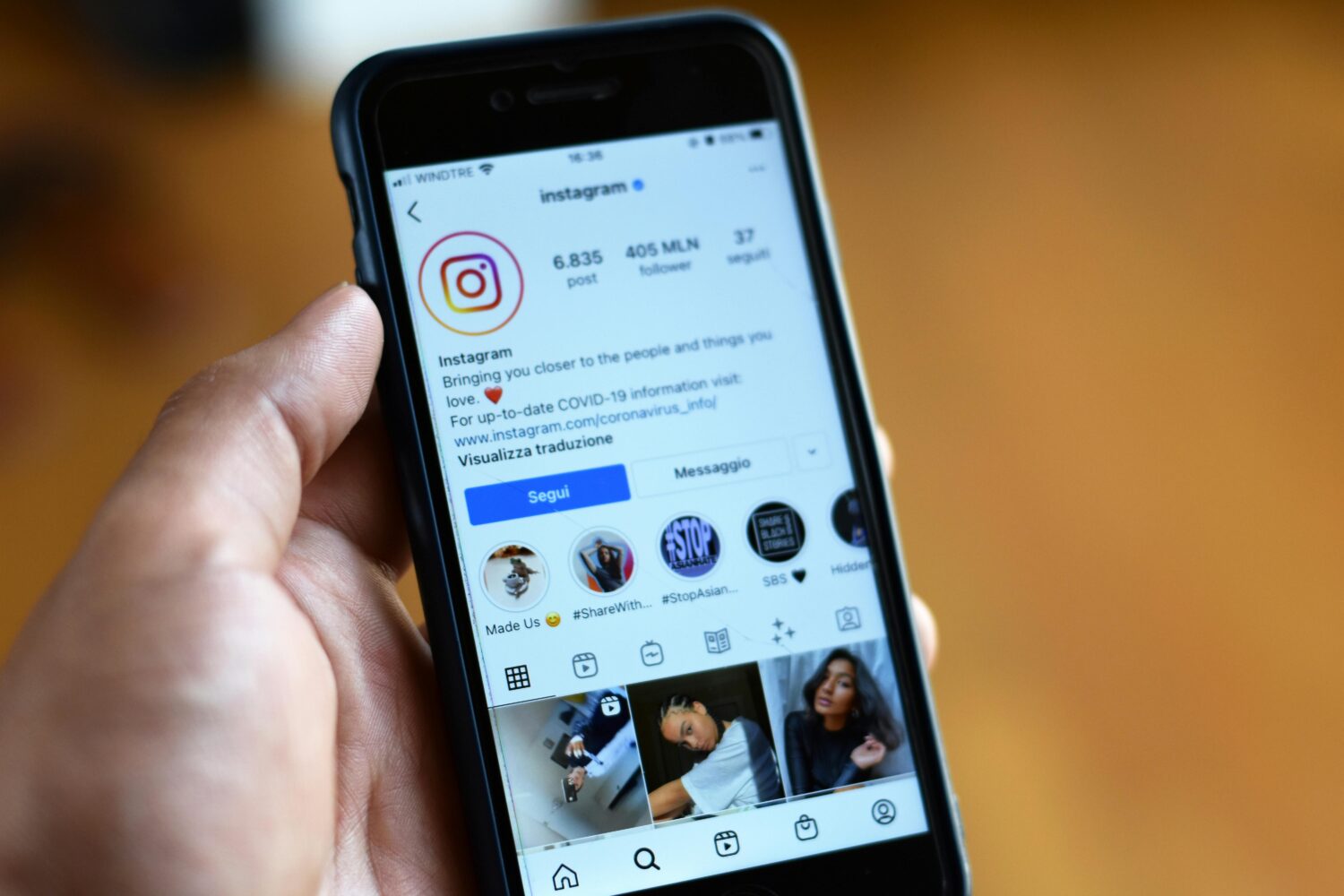
As a future journalist, I decided to pay closer attention to European news. Since the 2023 Eurobarometer reports that 42% of Europeans aged 16-30 get political and social information from social media, I naturally turned to Instagram. I quickly noticed something striking: European news was invisible.
This might seem obvious. Instagram is not a newspaper. But that is the problem. How can content that directly affects our lives remain invisible simply because it does not fit the algorithm’s definition of “engaging”?
1. When attention becomes the priority
Instagram’s algorithm is designed to maximize engagement, not to inform citizens. After spending four hours on the app, my feed was filled with tailored content: from the Super Bowl halftime show to “The 25 Essential Dishes To Eat in Los Angeles”. Meanwhile, European policies rarely appeared unless I searched for them.
Once I followed European news outlets, their posts started to appear. This illustrates what researchers call the filter bubble: the algorithm reinforces interests instead of challenging them.
2. Trapped in a personalized feed
This is a real issue for young Europeans. If we rely on Instagram for information, we are first exposed to what entertains us, not to what shapes our civic lives. Mercosur agreements or climates regulations must compete with viral trends. While serious European news often disappears. We just remain trapped in an “interest bubble”.
3. Journalism inside the algorithm
European media outlets such as EUobserver have adapted to Instagram by producing reels and carousel posts to reach younger audiences. But, the format imposes simplification: complex topics cannot fit into thirty-second videos without losing context or explanation. This creates confusion.
Journalism aims to inform citizens and strengthen democracy. Instagram, by contrast, focuses on engagement, attention, and virality.
The European Union is aware of this tension. Through the Digital Services Act, platforms must address risks such as disinformation and algorithmic amplification. Also, they must offer more transparency and control over personalized feed. However, these rules do not change Instagram’s core idea: capturing attention before informing.
4. Can journalism be compatible with Instagram?
Instagram is not “failing” to inform young Europeans. It was never designed to. Journalism has to work within an algorithmic system that prioritizes what is engaging over what is essential to know. In this case, can journalism still maintain its democratic mission?
If we want to stay well informed, we must look beyond the feed. Otherwise, we risk being stuck in the “Instagram algorithm bubble” and poorly informed.
Text: Marlyse Pardin
Photo: Brian Ramirez